 (1).svg)

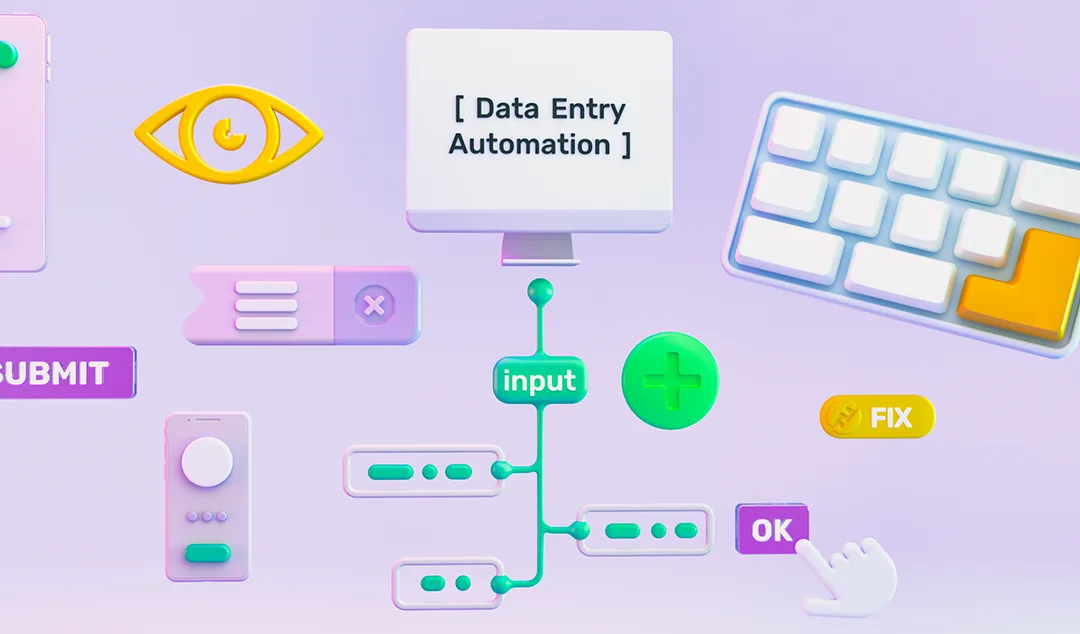
Manual data entry is one of the biggest time drains in recruitment. For one mid-sized agency managing over 200 open roles at any given time, the problem had reached a breaking point. Recruiters were spending four or more hours every day copying candidate information between platforms. That is 20 hours a week lost to tasks that add zero strategic value. This is exactly the kind of problem that recruiting automation software is designed to solve.
This case study walks through how LeSage Digital built a custom workflow automation system that eliminated that manual workload entirely. The result: recruiters got their time back, data accuracy improved, and the agency scaled without adding headcount.
The Problem: 20 Hours a Week Lost to Copy-Paste Workflows
The agency used three core tools: a job board aggregator to collect applications, an ATS (Applicant Tracking System) to manage candidates, and a CRM to track client relationships. None of these systems talked to each other. Every time a new application came in, a recruiter had to manually copy the candidate’s name, email, phone number, resume link, and notes from one platform to another.
This created two problems. First, recruiters were spending roughly four hours per day on pure data entry instead of talking to candidates or clients. Second, manual entry introduced errors. Duplicate records, misspelled names, and lost applications were common. The agency estimated that data quality issues caused at least two missed placements per month, each worth $5,000 to $10,000 in lost revenue.
The team had looked into recruiting automation tools before, but most off-the-shelf solutions required switching their entire tech stack. They needed something that worked with their existing systems.
The Solution: Recruiting Workflow Automation That Connects Everything
LeSage Digital designed a recruiting workflow automation system using n8n as the orchestration layer. The approach was straightforward: instead of replacing the agency’s tools, we connected them. Here is what the automated workflow looks like in practice.
Step 1: Automatic Candidate Capture
When a candidate applies through any job board, the system automatically captures the application data via API or webhook. Name, email, phone, resume, and source are all extracted without any manual input.
Step 2: Intelligent Data Routing
The workflow checks whether the candidate already exists in the ATS. If yes, it updates the existing record and logs the new application. If no, it creates a new candidate profile with all fields populated. This eliminated duplicate records entirely.
Step 3: CRM Sync and Notifications
Once the candidate record is created or updated in the ATS, the workflow pushes relevant information to the CRM. It also tags the candidate to the appropriate recruiter and sends a Slack notification with a summary. Recruiters see new candidates in real time without checking multiple dashboards.
How Automation Helped Streamline the Recruitment Process
The impact was measurable within the first two weeks. By removing manual data entry from the equation, we were able to streamline the recruitment process in several concrete ways.
- Time saved: Recruiters recovered an average of 20 hours per week across the team. That time went directly into candidate outreach and client calls.
- Error reduction: Duplicate records dropped to near zero. Data accuracy across the ATS and CRM improved by over 95%, based on the agency’s internal audit.
- Faster response time: Candidates received acknowledgment within minutes of applying instead of hours. The agency reported a noticeable improvement in candidate satisfaction scores.
- Scalability: The agency added 50 new open roles over the following quarter without needing to hire additional recruiters or coordinators. The automated hiring process handled the increased volume seamlessly.
Why Off-the-Shelf Recruiting Automation Software Was Not the Right Fit
Many agencies consider enterprise recruiting automation software platforms that promise all-in-one solutions. These tools can work well for large organizations that are building their tech stack from scratch. But for agencies already invested in specific tools, a complete platform switch comes with high costs, long migration timelines, and significant disruption.
This agency had years of candidate data in their ATS, active deals in their CRM, and established relationships with specific job board integrations. Replacing everything was not realistic. The custom automation approach let them keep their existing tools and simply connect applications together through intelligent workflows. No migration. No retraining. Just automation that fills the gaps between systems.
The Technical Setup Behind This Recruiting Workflow Automation
For those curious about the specifics, here is the technical foundation of this recruiting workflow automation project:
- Orchestration: n8n (self-hosted for data privacy compliance)
- Integrations: Job board APIs, ATS REST API, CRM webhooks, Slack API
- Data validation: Built-in deduplication logic using email matching and fuzzy name matching
- Error handling: Automated retry logic with alerts if any sync fails
- Monitoring: A dashboard tracking workflow runs, success rates, and data volume processed daily
The entire system was built and deployed in under three weeks. The first week focused on mapping the existing workflow and identifying every manual step. The second week was dedicated to building and testing the automations. The third week was a monitored rollout with the team, ensuring everything worked as expected before going fully live.
Results After 90 Days
Three months after deployment, the numbers told a clear story:
20 hours of weekly data entry eliminated. 95%+ data accuracy across all platforms. 50 additional roles managed with zero new hires. Response time to candidates reduced from hours to minutes. An estimated $15,000 to $20,000 in recovered revenue from placements that would have been missed due to data errors. According to industry research, agencies that automate their data workflows can reduce time-to-hire by up to 50%. This agency’s experience aligns with that benchmark.
What This Means for Your Recruitment Agency
If your recruiters spend more time on data entry than on conversations with candidates and clients, you are leaving money on the table. Recruiting automation tools do not have to mean replacing your entire tech stack. Often, the highest-impact solution is connecting what you already use and eliminating the manual steps in between.
LeSage Digital specializes in building exactly these kinds of systems. We work with your existing tools and design custom automation workflows that run without you. No code for you to maintain. No platforms to migrate to. Just automation that saves your team hours every week and lets you focus on what actually drives revenue: placing candidates.
If this sounds like a problem your agency faces, reach out to discuss how we can help.